Emergency Reserves that Protect Your Plan
Presented by Retirement GPS: Navigated by Zynergy
The Best Time to Plan for Emergencies is Before They Happen
Retirement brings freedom, flexibility and unpredictability. While your income may shift from paycheck to portfolio, one thing won’t change: life happens. Unexpected expenses, like a roof repair, car breakdown, or medical bill, don’t wait for market conditions or perfect timing.
That’s where emergency reserves come in.
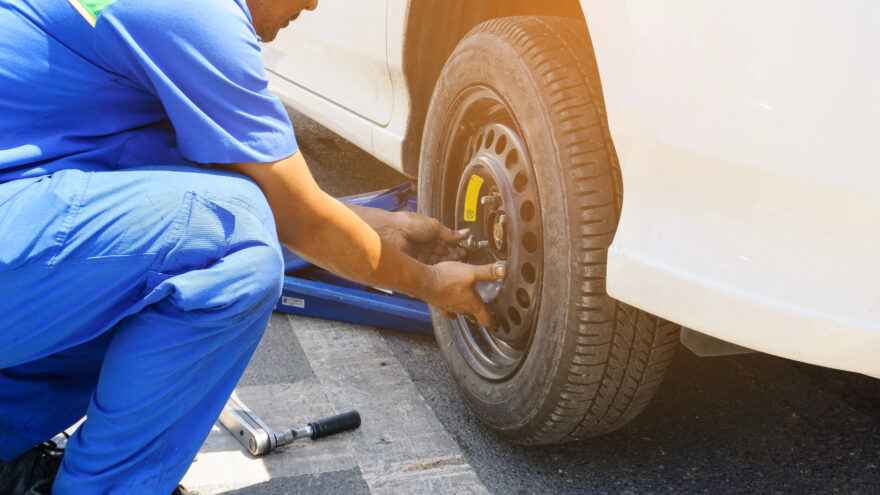
An emergency reserve is the financial equivalent of roadside assistance. You hope you won’t need it, but if you do, you’ll be glad it’s there.
A well-funded emergency reserve provides stability when the unexpected strikes. It keeps you from tapping your investments at the wrong time, dipping into high-tax accounts, or feeling unprepared during life’s curveballs.
The GPS Framework: Why Emergency Reserves Matter at Every Stage
Emergency reserves aren’t just for people in their working years. In fact, we believe they become more essential in retirement. Here’s why:
In your working years, your paycheck can often absorb small emergencies. But once you’re retired and relying on Social Security, pensions, and investment income, you have less flexibility to adjust on the fly especially during volatile markets.
And for those just starting out financially? Emergency reserves lay the groundwork for every other part of your financial plan allowing you to avoid credit card debt, protect your savings, and build long-term habits of resilience.
How Much Should You Have?
At Zynergy, we recommend building an emergency reserve of 6 to 12 months of essential living expenses. That includes:
- Housing and utilities
- Health insurance and out-of-pocket costs
- Groceries
- Transportation
- Insurance premiums
This range gives you room to breathe without putting too much cash on the sidelines. The right amount depends on your personal situation, risk tolerance, and cash flow sources.
Too little, and one emergency could throw your plan off course. Too much, and you may be missing out on growth opportunities.
We help each Member find their personal balance to the point where they can sleep well at night and still enjoy the benefits of investing.
Do My Investments Count?
This is a question we hear often:
“If I have $500,000 in an IRA or brokerage account, doesn’t that count as my emergency reserve?”
In short, no.
Emergency reserves should be separate from your investment portfolio. Your IRA or stock holdings are not appropriate for sudden, short-term expenses. Here’s why:
- You may be forced to sell at a market low.
- Withdrawals from pre-tax accounts are taxable.
- Investment funds can take days to liquidate.
- Emergency access should never be tied to volatility.
Emergency reserves should be liquid, stable, and reliable. That’s why we recommend FDIC-insured high-yield savings or money market accounts, not assets that rise and fall with the market.
Where to Keep It
Your reserve should be:
- In a high-yield savings account
- Or in a money market fund with no withdrawal restrictions.
- FDIC-insured for safety and peace of mind.
- Separate from your daily spending account.
This physical and mental separation keeps your emergency funds off-limits for everyday expenses. Label it. Protect it. Only use it when it’s truly needed.
Why It Works
Emergency reserves provide stability, not just for retirees, but for anyone building a solid financial plan. They turn stress into strategy and allow you to respond instead of react.
By planning ahead, you avoid high-interest debt, poor timing decisions, and emotional withdrawals. And most importantly, you stay focused on your long-term goals without short-term disruptions.
Action Steps: Build Your Emergency Reserve Today
- Calculate your essential monthly expenses.
- Multiply by 6 to 12 to set your emergency target.
- Open a dedicated high-yield savings account.
- Automate regular contributions – even small amounts help.
- Review your reserve annually as your life evolves.
Want the Strategy Behind the Framework?
For a deeper dive into the ideas behind Retirement GPS, tune into our podcast.